Aromatherapy is the practice of using aromatic plant extracts, particularly essential oils, to support relaxation, emotional well-being, and complementary self-care.
For thousands of years, aromatic plants have been incorporated into traditional healing practices, spiritual ceremonies, massage, and personal care. Today, modern neuroscience offers a fascinating explanation for why certain fragrances can evoke powerful memories, influence mood, and contribute to a sense of calm.
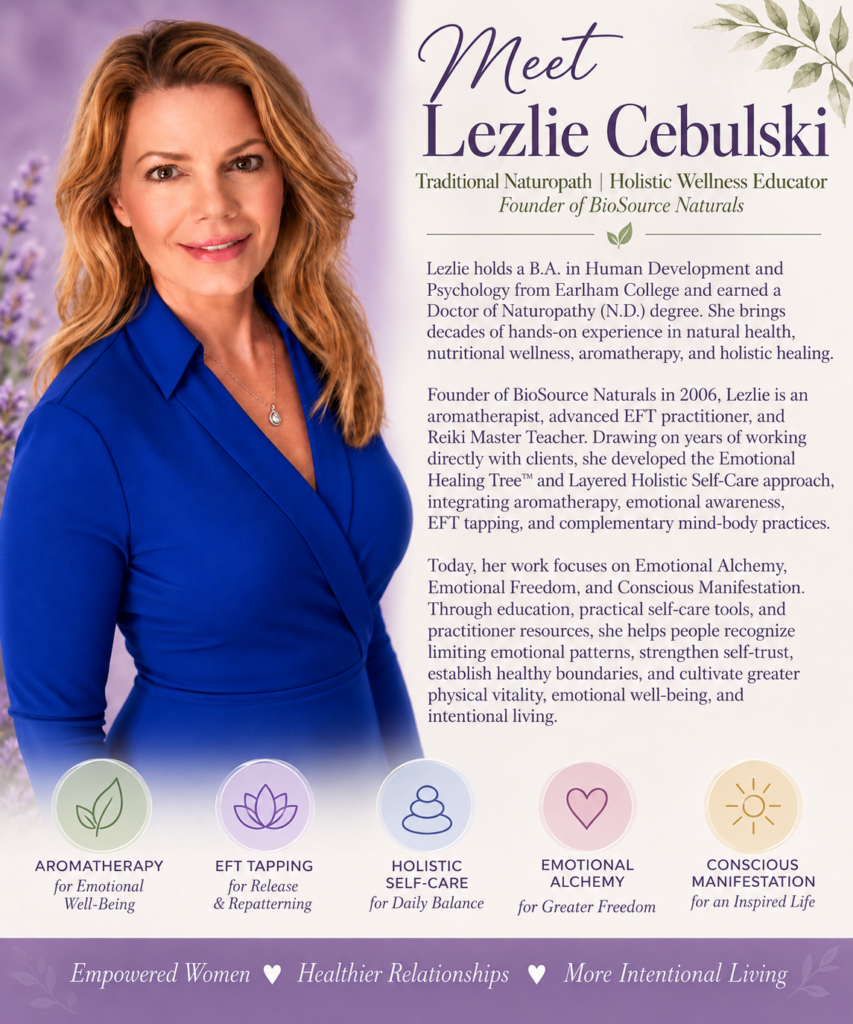
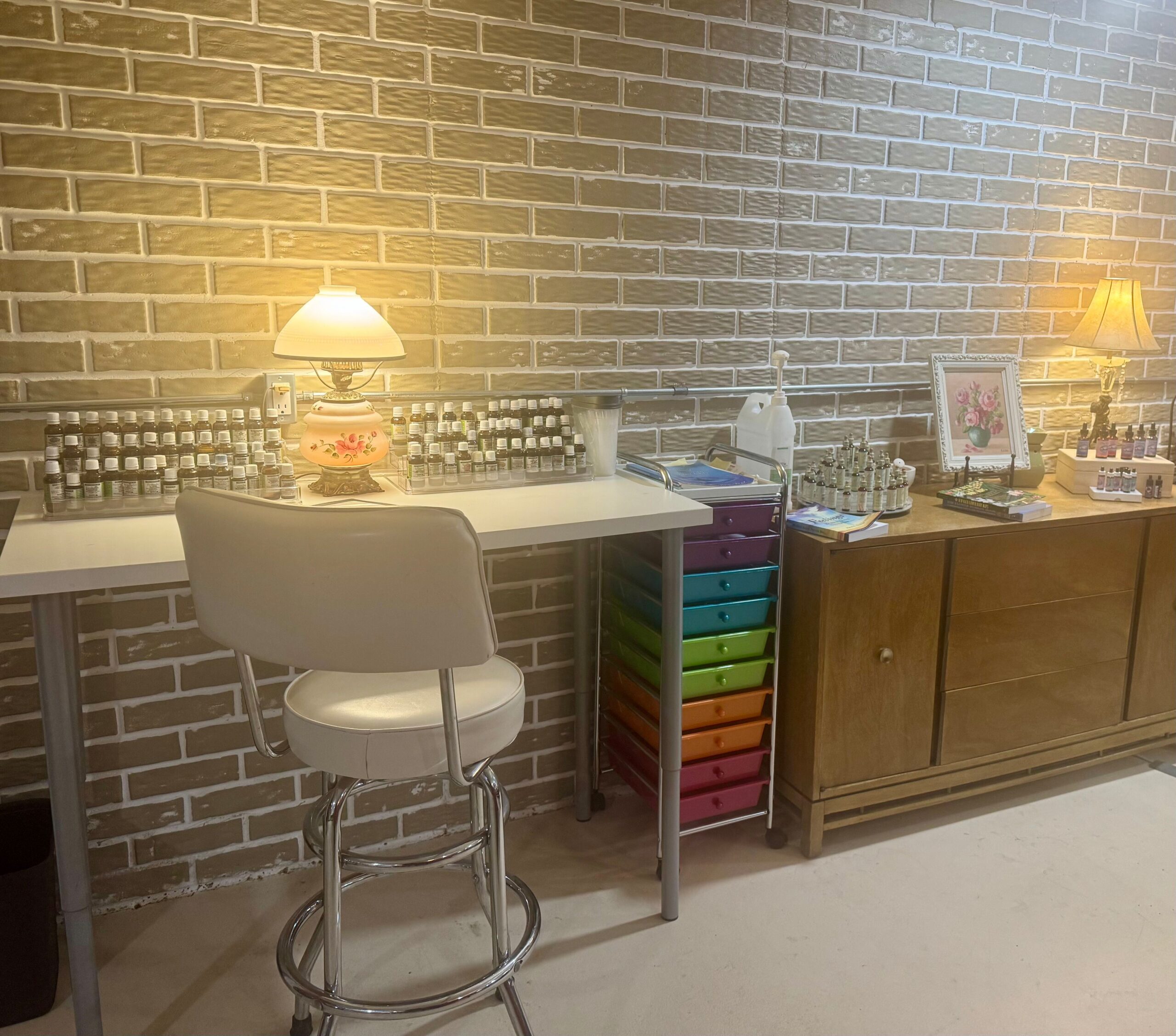
At Holistic Healing & Wellness in New Boston, Michigan, traditional naturopath and aromatherapist Lezlie Cebulski, N.D., incorporates personalized aromatherapy into a comprehensive mind-body wellness approach.
With more than 35 years in health and wellness and 15 years of private practice experience with an extensive background in essential oil formulation and chemistry, Lezlie combines aromatherapy with Emotional Freedom Techniques (EFT Tapping), nervous system regulation, relaxation exercises, and other complementary wellness modalities. She developed the E.O.T.T. method by combining oils and EFT decades ago.
Aromatherapy offers a sensory pathway for connecting emotional awareness, physical relaxation, and intentional self-care.
How Essential Oils Influence the Brain & Nervous System
The sense of smell has particularly close connections with brain regions involved in memory, emotion, and motivation.
When aromatic molecules enter the nose, they interact with specialized olfactory receptors. These receptors transmit signals through the olfactory system to brain regions involved in identifying and processing odors.
Olfactory pathways have close connections with the amygdala and hippocampus, two structures involved in emotional processing and memory.
This helps explain why a familiar fragrance can immediately evoke a childhood memory, a comforting experience, or a particular emotional response.
The Limbic System & Emotional Processing
The limbic system is a group of interconnected brain structures involved in emotion, learning, memory, and motivation.
Aromatic experiences can interact with these networks and influence how an individual perceives and responds to an environment.
Research suggests that certain pleasant aromas may influence subjective relaxation, mood, and perceived stress. However, these responses vary among individuals and depend on personal associations, expectations, and the specific fragrance.
Aromatherapy does not bypass conscious brain processing entirely, nor has it been demonstrated to directly release stored emotional trauma from the amygdala.
Instead, fragrance can serve as a meaningful sensory cue during relaxation, emotional reflection, and mind-body practices.
Aromatherapy & the Mind-Body Connection
Emotional stress frequently produces physical responses.
For example, anxiety may be accompanied by shallow breathing, increased muscular tension, digestive discomfort, or difficulty sleeping.
Pleasant aromatic experiences may help some individuals create a calming environment and engage more fully in relaxation practices.
Aromatherapy can be incorporated into:
- Stress-management routines.
- Mindful breathing exercises.
- Meditation and grounding.
- Gentle massage.
- Bedtime relaxation.
- Emotional self-care.
- Personal growth and reflection.
- Complementary mind-body wellness sessions.
The greatest value of aromatherapy may come from combining the sensory experience of fragrance with intentional relaxation and emotional wellness techniques.
Essential Oils Commonly Used for Emotional Wellness
Different essential oils have distinct aromatic profiles and traditional uses.
At Holistic Healing & Wellness, Lezlie helps clients explore essential oils according to their individual preferences, emotional wellness goals, and safety considerations.
Essential Oils for Relaxation & Stress Management
- Lavender: Frequently used to promote a calming atmosphere and support bedtime relaxation.
- Roman Chamomile: Traditionally associated with comfort and soothing aromatic experiences.
- Sweet Marjoram: Often included in relaxing massage and stress-management blends.
- Frankincense: Commonly used in meditation and grounding practices.
- Cedarwood: Offers a warm, woody aroma frequently associated with relaxation.
Essential Oils for Mood & Emotional Uplift
- Sweet Orange: A bright citrus aroma commonly used in uplifting blends.
- Bergamot: Studied for possible effects on perceived stress and mood, although evidence remains limited.
- Grapefruit: Frequently used in refreshing aromatic preparations.
- Geranium: Traditionally incorporated into blends for emotional balance.
- Ylang Ylang: A rich floral aroma commonly used in calming preparations.
Essential Oils for Focus & Mental Clarity
- Rosemary: Traditionally associated with alertness and concentration.
- Peppermint: Provides a refreshing aroma that some individuals find stimulating.
- Lemon: Frequently used to create a fresh, invigorating atmosphere.
- Eucalyptus: Commonly included in refreshing aromatic blends.
Essential oils may complement self-care routines, but they are not established treatments for anxiety disorders, depression, ADHD, or other medical or psychiatric conditions.
Personalized Aromatherapy & Custom Essential Oil Blending
One of the distinctive services offered at Holistic Healing & Wellness is individualized aromatherapy blending.
Rather than selecting a standard preparation for every client, Lezlie considers personal fragrance preferences, emotional wellness goals, sensitivities, and intended applications.
During a consultation, she may prepare a customized essential oil blend in a convenient roll-on format for use as part of a personal relaxation or self-care routine.
Blends may be developed around themes such as:
- Calm and relaxation.
- Confidence and self-esteem.
- Courage and clarity.
- Emotional comfort during grief.
- Grounding during stressful transitions.
- Mindfulness and meditation.
- Restful bedtime routines.
- Personal renewal and emotional resilience.
Lezlie’s extensive experience with essential oils and aromatic formulation allows her to explore combinations tailored to each client’s preferences.
Custom preparations are designed for complementary wellness use, with appropriate dilution and safety considerations.
Combining Aromatherapy With EFT Tapping for Emotional Wellness
At Holistic Healing & Wellness, aromatherapy is frequently incorporated into Emotional Freedom Techniques (EFT Tapping) sessions.
EFT combines gentle tapping on designated acupressure points with focused attention on thoughts, emotions, and physical sensations.
Aromatherapy can add a sensory component to this experience.
For example, a client may select a calming essential oil blend while practicing EFT to explore feelings of stress, frustration, grief, or emotional overwhelm.
Over time, a familiar aroma may become associated with a practiced relaxation routine, helping create a recognizable cue for slowing down and reconnecting with the present moment.
Potential Benefits of Combining Aromatherapy & EFT
- Encourages emotional awareness.
- Creates a calming sensory environment.
- Supports intentional breathing and relaxation.
- Helps establish consistent self-care routines.
- Provides a familiar sensory cue during stressful moments.
- Encourages mindfulness and grounding.
- Complements personal growth and emotional reflection.
Although research suggests that EFT and certain aromatherapy practices may help with perceived stress, evidence for the specific combination remains limited.
These techniques are complementary wellness practices rather than substitutes for licensed mental health treatment.
Aromatherapy for Grief, Stress & Life Transitions
Fragrance can have powerful personal associations with memories, relationships, and significant life experiences.
For individuals navigating grief, relationship changes, career transitions, caregiving responsibilities, or other stressful circumstances, aromatherapy may provide a comforting addition to emotional self-care.
Lezlie may combine essential oils with:
- EFT Tapping.
- Gentle breathing exercises.
- Journaling.
- Positive affirmations.
- Guided relaxation.
- Mindfulness.
- Personal growth counseling.
These approaches can help clients create intentional moments for emotional reflection and self-compassion.
Aromatherapy does not erase painful memories or resolve trauma on its own. However, some individuals find that pleasant fragrances enhance their ability to relax and participate in supportive self-care practices.
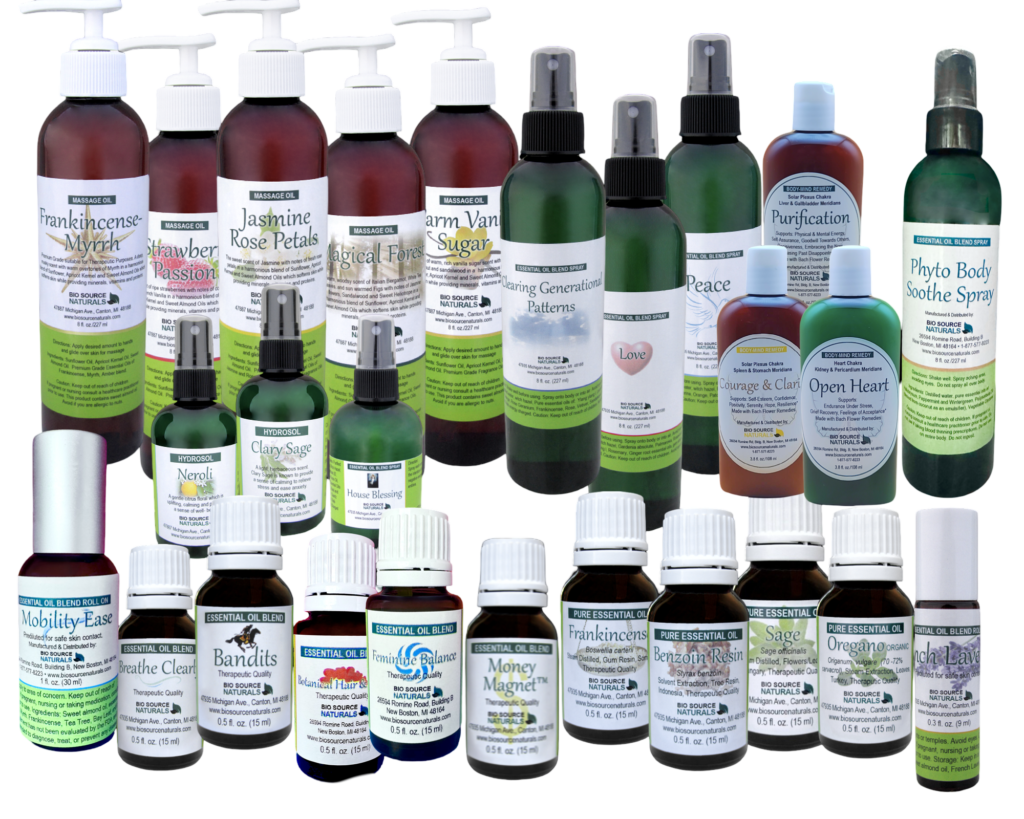
BioSource Naturals Body-Mind Remedy Lotions
Holistic Healing & Wellness also incorporates specialty aromatic preparations developed through BioSource Naturals, founded by Lezlie Cebulski.
The BioSource Naturals Body-Mind Remedy Lotions combine several traditional complementary wellness elements:
- Therapeutic-quality essential oils selected for their aromatic properties.
- Bach flower essences traditionally associated with emotional themes, body-mapped by meridians.
- Gem elixirs used in traditional energy-based wellness practices.
- Color and sound charging as part of the products’ energetic formulation philosophy.
- Intentional body application and mindful self-care.
The lotions are designed to complement practices such as EFT Tapping, meditation, affirmations, journaling, and gentle massage.
Each preparation is associated with a particular emotional wellness theme, encouraging users to create meaningful personal rituals around relaxation, confidence, self-compassion, and emotional awareness.
The flower essence, gem elixir, and energetic components reflect traditional holistic practices; their specific therapeutic effects have not been established through reliable scientific research.
The Role of Aromatherapy in the Five-Part Holistic Wellness Framework
Aromatherapy complements the five interconnected principles used at Holistic Healing & Wellness.
Replenish — Support Physical & Emotional Well-Being
Incorporate appropriate aromatherapy, massage, and restorative self-care routines that encourage relaxation and personal comfort.
Release — Explore Emotional Tension
Combine essential oils with EFT Tapping, journaling, and emotional reflection to support healthy emotional expression.
Regulate — Calm the Nervous System
Use preferred calming aromas during breathing exercises, meditation, grounding, and relaxation practices.
Reset — Develop Healthier Emotional Patterns
Establish consistent self-care rituals that associate familiar fragrances with moments of calm, mindfulness, and intentional rest.
Reconnect & Renew — Restore Confidence & Inner Balance
Incorporate aromatic experiences into personal growth, self-compassion, spiritual reflection, and meaningful daily rituals.
Essential Oil Safety & Appropriate Use
Essential oils are highly concentrated botanical extracts and should be used thoughtfully.
Important considerations include:
- Dilute essential oils appropriately before applying them to the skin.
- Avoid applying undiluted essential oils to sensitive areas.
- Do not ingest essential oils unless specifically directed by an appropriately qualified healthcare professional.
- Consider allergies, asthma, skin sensitivities, pregnancy, medications, and existing medical conditions.
- Certain citrus essential oils may increase sensitivity to sunlight when applied topically.
- Use caution around children and pets, particularly cats and other animals sensitive to essential oil exposure.
- Discontinue use if irritation, headaches, breathing discomfort, or other adverse reactions occur.
Lezlie helps clients explore suitable application methods and safety considerations as part of personalized aromatherapy consultations.
Explore Aromatherapy Education & Free Wellness Resources
Through BioSource Naturals, Lezlie has developed an extensive collection of educational articles, essential oil information, and complimentary wellness resources.
Visitors can explore topics such as:
- Aromatherapy for emotional wellness.
- Essential oils for relaxation and stress management.
- Combining essential oils with EFT Tapping.
- Nervous system regulation.
- Emotional healing and personal growth.
- DIY aromatherapy and body-care preparations.
- Meditation, journaling, and affirmations.
The Holistic Wellness Learning Center also connects visitors with additional resources and information about complementary wellness services.
Schedule a Personalized Aromatherapy & Mind-Body Wellness Consultation
Lezlie Cebulski, N.D., is a traditional naturopath, aromatherapist, EFT practitioner, Reiki Master Teacher, and holistic wellness consultant with more than 15 years of private practice experience and 35 years of health and wellness involvement.
Her background includes a doctorate of Naturopathy, a bachelor’s degree in Human Development and Psychology, extensive experience with essential oils and chemistry, and the development of customized aromatic preparations through BioSource Naturals.
At Holistic Healing & Wellness, Lezlie offers individualized consultations incorporating:
- Personalized essential oil selection.
- Custom aromatherapy roll-on blending.
- EFT Tapping and emotional wellness.
- Nervous system regulation.
- Mindfulness and relaxation.
- Body-Mind Remedy Lotions.
- Complementary mind-body self-care strategies.
Personalized sessions are available at Holistic Healing & Wellness in New Boston, Michigan, serving Downriver and Southeast Michigan. Selected services are also available through virtual wellness consultations.
Call 734-718-5228 to schedule your FREE 15-minute holistic health consultation.
Contact Holistic Healing & Wellness to learn more about personalized aromatherapy services.
Explore Essential Oils & Aromatherapy Blends
Important Medical & Professional Disclaimer
Lezlie Cebulski is a traditional naturopath and holistic wellness practitioner. She is not a licensed physician or mental health professional.
Aromatherapy and related services are educational and complementary in nature and do not constitute medical diagnosis or treatment of physical or psychiatric conditions.
Essential oils, flower essences, gem elixirs, and energy-based practices should not replace appropriate medical or mental health care.
These statements have not been evaluated by the Food and Drug Administration. Products discussed are not intended to diagnose, treat, cure, or prevent any disease.