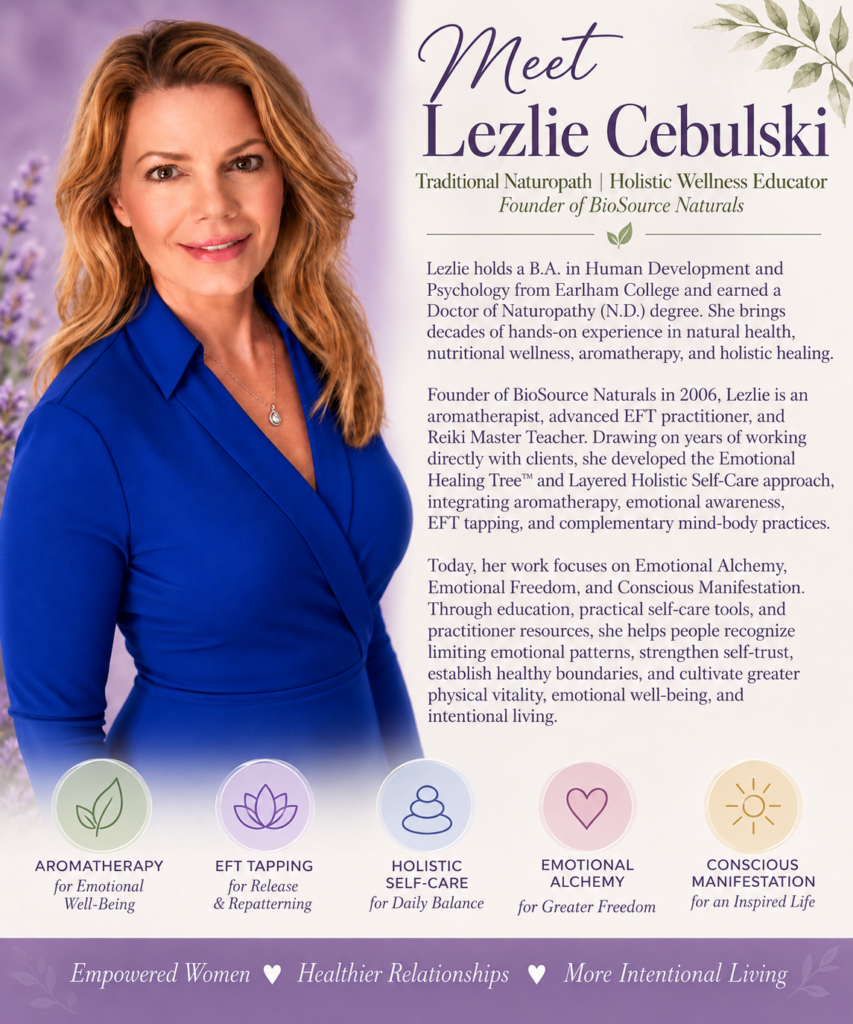
Hormonal changes can affect nearly every aspect of a woman’s physical and emotional well-being. From premenstrual syndrome (PMS) during the reproductive years to the fluctuating hormones of perimenopause and the transition into menopause, women may experience changes in sleep, energy, mood, weight, concentration, and overall quality of life. Natural remedies are available at Holistic Healing & Wellness in New Boston, Michigan, traditional naturopath and holistic wellness practitioner Lezlie Cebulski, N.D., offers individualized consultations and alternative treatments to help women navigate these transitions through nutritional wellness, lifestyle strategies, aromatherapy, stress management, somatic healing, and complementary mind-body techniques. Sessions are either in person in Michigan or remote.
With more than 15 years of private practice experience, Lezlie integrates traditional naturopathic principles with education about hormonal health, nutritional supplements, herbal preparations, Emotional Freedom Techniques (EFT Tapping), and nervous system regulation.
Her approach considers the interconnected influences of hormonal changes, stress, sleep, nutrition, digestive health, and emotional well-being.
The goal is to help women better understand their changing bodies, explore appropriate wellness options, and develop practical strategies for greater comfort, vitality, and emotional balance.
Understanding Hormonal Changes Throughout a Woman’s Life
Hormones act as chemical messengers that influence metabolism, reproduction, sleep, energy, mood, and numerous other functions.
During perimenopause and menopause, changing levels of estrogen and progesterone can produce a wide range of symptoms. Other hormones, including thyroid hormones and testosterone, may also influence how a woman feels.
Common areas of hormonal health include:
- Estrogen: Influences reproductive function, body temperature regulation, bone health, and other physiological processes.
- Progesterone: Participates in menstrual cycle regulation and reproductive function.
- Testosterone: Contributes to sexual function and other aspects of health in women.
- Thyroid Hormones: Regulate metabolism and influence energy, temperature tolerance, and many bodily functions.
- Cortisol: Helps regulate the body’s response to stress and follows a natural daily rhythm.
- DHEA: A hormone produced primarily by the adrenal glands that serves as a precursor to other hormones.
Hormonal fluctuations are a normal part of reproductive aging, but persistent or disruptive symptoms deserve appropriate evaluation.
Not every symptom is caused by a hormone deficiency or imbalance. Sleep disturbances, nutritional deficiencies, thyroid conditions, medications, stress, and other health concerns can produce similar symptoms.
Common Symptoms of Perimenopause & Menopause
Perimenopause: The Hormonal Transition
Perimenopause is the transitional period leading up to menopause. It commonly begins during a woman’s 40s, although timing varies.
During this stage, estrogen and progesterone levels fluctuate, and menstrual cycles may become less predictable.
Common symptoms include:
- Irregular menstrual cycles.
- Hot flashes and night sweats.
- Difficulty falling or staying asleep.
- Increased irritability or mood changes.
- Anxiety or heightened sensitivity to stress.
- Brain fog and difficulty concentrating.
- Fatigue and changes in energy.
- Breast tenderness.
- Headaches or migraines.
- Changes in body composition and abdominal fat distribution.
- Vaginal dryness or changes in sexual comfort.
- Changes in libido.
Menopause & Postmenopause
Menopause is reached after 12 consecutive months without a menstrual period, provided another medical cause is not responsible. The years following menopause are known as postmenopause. Although some symptoms gradually improve, others may continue, particularly sleep disturbances, hot flashes, and genitourinary symptoms. Long-term health considerations also include bone density, cardiovascular health, muscle preservation, and metabolic wellness.
The Connection Between Stress, Cortisol & Menopause Symptoms
Stress and hormonal transitions can influence one another.
During perimenopause and menopause, sleep disruption, hot flashes, and changing hormone levels may affect emotional resilience. At the same time, chronic stress can contribute to fatigue, muscular tension, digestive discomfort, and difficulty sleeping.
Cortisol is produced by the adrenal glands and helps coordinate the body’s normal stress response.
Although the term adrenal fatigue is frequently used in alternative wellness discussions, it is not a medically recognized diagnosis. Chronic stress can produce genuine physical and emotional symptoms without indicating that the adrenal glands have become exhausted.
For women experiencing ongoing stress, supporting nervous system regulation and healthy daily routines can be an important component of overall wellness.
Holistic strategies may include:
- Comfortable, slow breathing exercises.
- Consistent sleep and waking schedules.
- Gentle movement and strength training.
- Adequate protein and balanced nutrition.
- Mindfulness and relaxation practices.
- Aromatherapy for emotional comfort.
- EFT Tapping and complementary stress-management techniques.
- Healthy boundaries and realistic daily expectations.
Managing stress may improve overall well-being and the ability to cope with menopausal symptoms, even when it does not directly change hormone levels.
Natural & Complementary Menopause Support Options
Holistic Healing & Wellness offers individualized consultations exploring a variety of complementary approaches.
1. Nutritional Supplements, Vitamins & Minerals
Adequate nutrition becomes especially important during perimenopause and menopause as women experience changes in bone health, muscle mass, metabolism, and sleep.
Lezlie maintains a selection of nutritional supplements in her office and can help clients explore options based on their health history, dietary patterns, symptoms, and individual wellness goals.
Commonly discussed nutrients include:
- Magnesium: Supports normal muscle and nerve function and may be useful when dietary intake is inadequate.
- Vitamin D3: Important for calcium absorption, bone health, and normal immune function.
- Calcium: Supports bone health, particularly when dietary intake is insufficient.
- Vitamin K2: Participates in normal bone-related protein function, although evidence for routine supplementation is less established.
- B-Complex Vitamins: Support energy metabolism and neurological function.
- Vitamin B12: Important for normal nerve function and red blood cell production.
- Omega-3 Fatty Acids: Support cardiovascular health, with mixed evidence for menopausal symptom relief.
- Iron: May be relevant for women experiencing heavy menstrual bleeding during perimenopause when deficiency is confirmed.
- Creatine: May support strength and muscle performance when combined with resistance exercise.
- Protein Supplements: Can help women meet daily protein needs to support muscle preservation.
Supplement recommendations should consider medications, existing medical conditions, laboratory findings, and possible interactions.
Learn More About Nutritional Supplements & Herbal Wellness
2. Herbal Remedies & Botanical Support
Certain herbs and botanical preparations have traditionally been used to support women’s comfort during hormonal transitions.
Options commonly discussed include:
- Black Cohosh: Studied for menopausal hot flashes, although findings are inconsistent and product quality varies.
- Sage: Traditionally used for excessive perspiration and hot flashes, with limited clinical evidence.
- Red Clover: Contains plant-derived isoflavones; studies have shown mixed results for menopausal symptoms.
- Soy Isoflavones: May modestly reduce hot flashes in some women, although benefits vary.
- Evening Primrose Oil: Traditionally used for breast tenderness and PMS, but evidence for symptom relief is limited.
- Chaste Tree Berry (Vitex): Has some evidence for selected PMS symptoms, but is not an established treatment for menopause.
- Ashwagandha: Studied for perceived stress and sleep, although it can affect thyroid function and interact with medications.
Natural does not automatically mean safe. Certain herbs may be inappropriate for women with hormone-sensitive conditions, liver disease, thyroid disorders, or those taking particular medications.
Lezlie can provide education about herbal options and help clients identify questions to discuss with their healthcare professionals.
3. Bioidentical Hormone Therapy & Hormonal Health Education
Bioidentical Hormone Replacement Therapy is an option some women explore when menopausal symptoms significantly affect their quality of life.
Bioidentical hormones have a molecular structure identical to hormones naturally produced by the human body.
FDA-approved bioidentical estradiol and micronized progesterone are available by prescription and may be effective for appropriate candidates.
Bioidentical does not necessarily mean safer or more natural than other hormone therapies. Custom-compounded hormone preparations generally lack the same standardized testing and quality controls as FDA-approved medications.
Lezlie can discuss general hormonal wellness concepts, nutritional support, and lifestyle considerations while encouraging clients to work with a licensed prescribing clinician for hormone evaluation and treatment.
Hormone therapy should be individualized according to medical history, age, time since menopause, symptoms, and personal risk factors.
4. Aromatherapy & Essential Oils for Menopause Comfort
Aromatherapy can provide a pleasant sensory addition to relaxation and emotional self-care.
Essential oils traditionally used during hormonal transitions include:
- Lavender: Frequently used to encourage relaxation and support bedtime routines.
- Clary Sage: Traditionally associated with women’s wellness and emotional balance.
- Geranium: Commonly included in aromatherapy blends for emotional comfort.
- Roman Chamomile: Often used in calming and soothing preparations.
- Bergamot: Traditionally used in uplifting blends.
- Sweet Marjoram: Frequently incorporated into relaxation massage blends.
- Frankincense: Often used in grounding and meditation practices.
- Ylang Ylang: Commonly used in calming aromatic preparations.
Lezlie can help clients explore individualized essential oil selections, safe dilution methods, and appropriate application techniques.
5. EFT Tapping & Emotional Wellness
Emotional Freedom Techniques (EFT Tapping) combine gentle tapping on designated acupressure points with focused attention on thoughts, feelings, and physical sensations.
Hormonal transitions often coincide with significant life changes, including evolving family responsibilities, career transitions, caregiving, relationship changes, and shifting personal priorities.
EFT may be incorporated into a complementary wellness plan to help clients:
- Manage everyday stress and emotional overwhelm.
- Develop greater awareness of emotional triggers.
- Practice calming routines.
- Address frustration associated with sleep disturbances.
- Explore self-esteem and body-image concerns.
- Navigate life transitions with greater self-compassion.
Some research suggests EFT may help reduce perceived stress and anxiety, although evidence for treating menopausal symptoms specifically remains limited.
6. Nervous System Regulation, Sleep & Somatic Relaxation
Sleep disturbances are among the most frustrating symptoms reported during perimenopause and menopause.
Night sweats, changing sleep patterns, stress, and other factors can interfere with restorative rest.
Complementary wellness strategies may include:
- Establishing consistent bedtime and waking routines.
- Maintaining a comfortable, cool sleeping environment.
- Reducing alcohol intake when it worsens night sweats or sleep.
- Limiting caffeine later in the day.
- Practicing gentle breathing exercises.
- Incorporating progressive muscle relaxation.
- Using calming aromatherapy when tolerated.
- Exploring mindfulness and body-awareness techniques.
Women with persistent insomnia may benefit from cognitive behavioral therapy for insomnia (CBT-I), an evidence-based treatment.
7. Diet, Lifestyle & Metabolic Wellness
Dietary & Lifestyle Strategies are important during midlife and beyond.
Consultations may explore:
- Adequate protein intake for muscle preservation.
- Resistance training and weight-bearing activity.
- Calcium-rich foods and vitamin D adequacy.
- Fiber intake and digestive wellness.
- Hydration and electrolyte balance.
- Blood sugar management.
- Reducing alcohol when it contributes to sleep disturbances or hot flashes.
- Maintaining consistent physical activity.
- Supporting cardiovascular and metabolic health.
Lezlie helps clients explore realistic strategies that can be incorporated into their individual lifestyles.
8. Flower Essences & Emotional Self-Care
Flower Essences may be incorporated into intentional self-care routines during times of emotional change.
Bach flower essences traditionally associated with life transitions include:
- Walnut: For adapting to change.
- Olive: For feelings of exhaustion.
- White Chestnut: For repetitive thoughts.
- Impatiens: For irritability and impatience.
- Elm: For feeling overwhelmed.
- Mustard: Traditionally associated with unexplained sadness.
- Larch: For confidence and self-esteem.
9. Additional Complementary Wellness Modalities
Depending on individual preferences and health considerations, sessions may also include:
- Infrared Sauna with Color Therapy: Gentle infrared warmth may help promote relaxation, ease muscle tension, support circulation, and provide a soothing experience for women navigating the physical and emotional changes of perimenopause and menopause. The addition of color therapy creates a calming sensory environment that may complement stress management, mindfulness, and emotional wellness practices. Because heat can aggravate hot flashes, night sweats, or dizziness in some women, sauna temperature and session duration should be individualized.
- Infrared, Red Light & PEMF Crystal Mat Therapy: This complementary relaxation experience combines gentle infrared warmth, red light, pulsed electromagnetic fields (PEMF), and an amethyst and tourmaline crystal mat. During perimenopause and menopause, women may experience increased muscle tension, disrupted sleep, stress, and general physical discomfort. The mat’s soothing warmth may encourage muscular relaxation and provide a comfortable setting for meditation, breathing exercises, and nervous system regulation. Although red light and PEMF technologies are being investigated for various wellness applications, evidence that this combination improves menopausal symptoms, balances hormones, or treats sleep disturbances remains insufficient. Heat settings and device use are individualized, particularly for women sensitive to warmth or those with implanted electronic medical devices.
- Muscle Testing as a traditional complementary practice, recognizing that it is not a validated method of diagnosing hormonal imbalances.
- Sound Therapy for relaxation and mindfulness.
- Color & Light Therapy as an optional sensory wellness experience.
- Brain Gym & Energy Medicine Exercises for gentle movement and body awareness.
- Lifepath & Personal Growth Counseling for navigating emotional changes, relationships, and midlife transitions.
- Homeopathy as a traditional complementary practice, recognizing that reliable scientific evidence does not establish effectiveness for menopausal symptoms.
These approaches are intended to support comfort, relaxation, and general well-being rather than replace medical treatment.
Natural Support for PMS: Mood Swings, Bloating, Fatigue & Menstrual Discomfort
Premenstrual syndrome (PMS) involves recurring physical and emotional symptoms during the days or weeks before menstruation.
Common symptoms include:
- Irritability and mood changes.
- Breast tenderness.
- Bloating and fluid retention.
- Fatigue and sleep disturbances.
- Food cravings and appetite changes.
- Headaches.
- Abdominal discomfort.
- Difficulty concentrating.
- Increased sensitivity to stress.
PMS symptoms may be influenced by individual sensitivity to normal hormonal fluctuations rather than a measurable hormone deficiency.
Nutritional & Lifestyle Strategies for PMS
Complementary support may include:
- Calcium: Has evidence supporting improvement in certain PMS symptoms when intake is adequate.
- Magnesium: May help some symptoms, although research findings are mixed.
- Vitamin B6: Has limited evidence for PMS-related mood symptoms, but excessive doses can cause nerve damage.
- Omega-3 Fatty Acids: Studied for menstrual discomfort and mood-related symptoms, with mixed findings.
- Chaste Tree Berry (Vitex): May help some women with PMS symptoms, although it is not appropriate for everyone.
- Consistent Exercise: Supports general health and may improve perceived well-being.
- Sleep & Stress Management: Can help women cope with emotional and physical symptoms.
- Balanced Nutrition: Regular meals, adequate protein, and appropriate hydration support overall wellness.
Aromatherapy, EFT Tapping, and relaxation techniques may also be incorporated as complementary emotional self-care practices.
Women experiencing severe premenstrual depression, anxiety, or irritability should be evaluated for premenstrual dysphoric disorder (PMDD), which may require specialized treatment.
Hormonal Laboratory Testing: When Is It Helpful?
Hormonal evaluation can be useful when symptoms suggest a specific medical condition or when results would influence treatment decisions.
However, routine hormone testing is not always necessary to identify perimenopause or menopause.
For women over age 45 with typical symptoms, perimenopause is often identified through menstrual history and clinical evaluation because hormone levels fluctuate considerably.
Depending on symptoms and medical history, a licensed healthcare professional may recommend:
- Thyroid Testing: TSH and other thyroid studies when indicated.
- Complete Blood Count & Iron Studies: Particularly when heavy menstrual bleeding or fatigue is present.
- Vitamin B12 or Vitamin D Testing: When deficiency is suspected.
- Blood Glucose or Hemoglobin A1c: When metabolic concerns are present.
- FSH & Estradiol: In selected situations, particularly when early menopause or premature ovarian insufficiency is suspected.
- Other Hormonal Testing: When specific symptoms warrant further investigation.
The Five-Part Holistic Approach to Women’s Hormonal Wellness
At Holistic Healing & Wellness, complementary care is organized around five interconnected principles.
Replenish — Nourish the Body & Support Vitality
Explore nutrition, appropriate supplementation, hydration, restorative sleep, and healthy routines that support physical and emotional wellness.
Release — Reduce Emotional Tension
Incorporate EFT Tapping, journaling, self-reflection, and relaxation practices to help manage everyday stress and emotional overwhelm.
Regulate — Calm the Nervous System
Practice comfortable breathing, grounding, aromatherapy, and gentle somatic techniques to support relaxation and improve awareness of physical stress responses.
Reset — Establish Healthier Daily Patterns
Explore sleep habits, dietary choices, physical activity, personal boundaries, and other lifestyle factors that influence well-being.
Reconnect & Renew — Embrace Personal Growth & Midlife Transformation
Reconnect with personal values, confidence, creativity, meaningful relationships, and a renewed sense of purpose during this important stage of life.
Menopause as a Time of Personal Renewal
Although perimenopause and menopause can present physical challenges, they can also represent a meaningful period of personal transformation.
Many women begin reassessing their priorities, relationships, responsibilities, and long-term goals during midlife.
For some, this transition creates opportunities to establish healthier boundaries, reconnect with neglected interests, and focus more intentionally on their own well-being.
Through Lifepath & Personal Growth Counseling, Lezlie offers supportive guidance for women navigating these emotional and lifestyle transitions.
Midlife is not simply a period of hormonal change. It can also be an opportunity to reconnect with yourself and create a more balanced, meaningful next chapter.
Explore Our Holistic Wellness Learning Center & Free Resources
Lezlie Cebulski has developed an extensive collection of educational articles, practical self-care guides, and complimentary wellness resources for women interested in natural health, emotional healing, nutritional wellness, and personal growth.
Our Holistic Wellness Learning Center connects visitors with additional educational resources, including the BioSource Naturals collection of articles on aromatherapy, EFT Tapping, nervous system regulation, emotional wellness, and complementary self-care.
Visitors can explore free wellness guides, EFT scripts, affirmations, journaling exercises, and relaxation resources to support their ongoing wellness journey.
Schedule a Personalized Menopause, Perimenopause or PMS Wellness Consultation
Lezlie Cebulski, N.D., is a traditional naturopath, aromatherapist, EFT practitioner, Reiki Master Teacher, and holistic wellness consultant with more than 15 years of private practice experience. Her professional background includes a Doctorate in Naturopathy, a bachelor’s degree in Human Development and Psychology, nutritional wellness, private practice, and integrative body-mind approaches.
At Holistic Healing & Wellness, Lezlie provides individualized consultations for women interested in:
- Natural menopause and perimenopause wellness strategies.
- Nutritional supplements and herbal education.
- Stress management and nervous system regulation.
- Aromatherapy and emotional self-care.
- Sleep and lifestyle support.
- PMS wellness strategies.
- Midlife personal growth and emotional resilience.
- Complementary support alongside medical hormone therapy.
In-person appointments are available in New Boston, Michigan, serving Downriver and Southeast Michigan, with virtual wellness consultations available for selected services.
Call 734-718-5228 to schedule your FREE 15-minute holistic health consultation.
Contact Holistic Healing & Wellness to learn more about personalized women’s wellness consultations.
Important Medical & Professional Disclaimer
Lezlie Cebulski is a traditional naturopath and holistic wellness practitioner. She is not a licensed medical physician, endocrinologist, or mental health professional.
Services are educational and complementary in nature and do not constitute medical diagnosis, hormone prescribing, or treatment of endocrine disorders.
Women experiencing persistent or severe symptoms should consult a licensed healthcare professional. Heavy or unusual menstrual bleeding requires appropriate evaluation, and any bleeding after menopause should be medically assessed.
Hormonal medications, including bioidentical hormones, should only be prescribed and monitored by appropriately licensed clinicians.
Nutritional supplements, herbal preparations, and complementary wellness techniques should not replace necessary medical care.
These statements have not been evaluated by the Food and Drug Administration. Products discussed are not intended to diagnose, treat, cure, or prevent any disease.